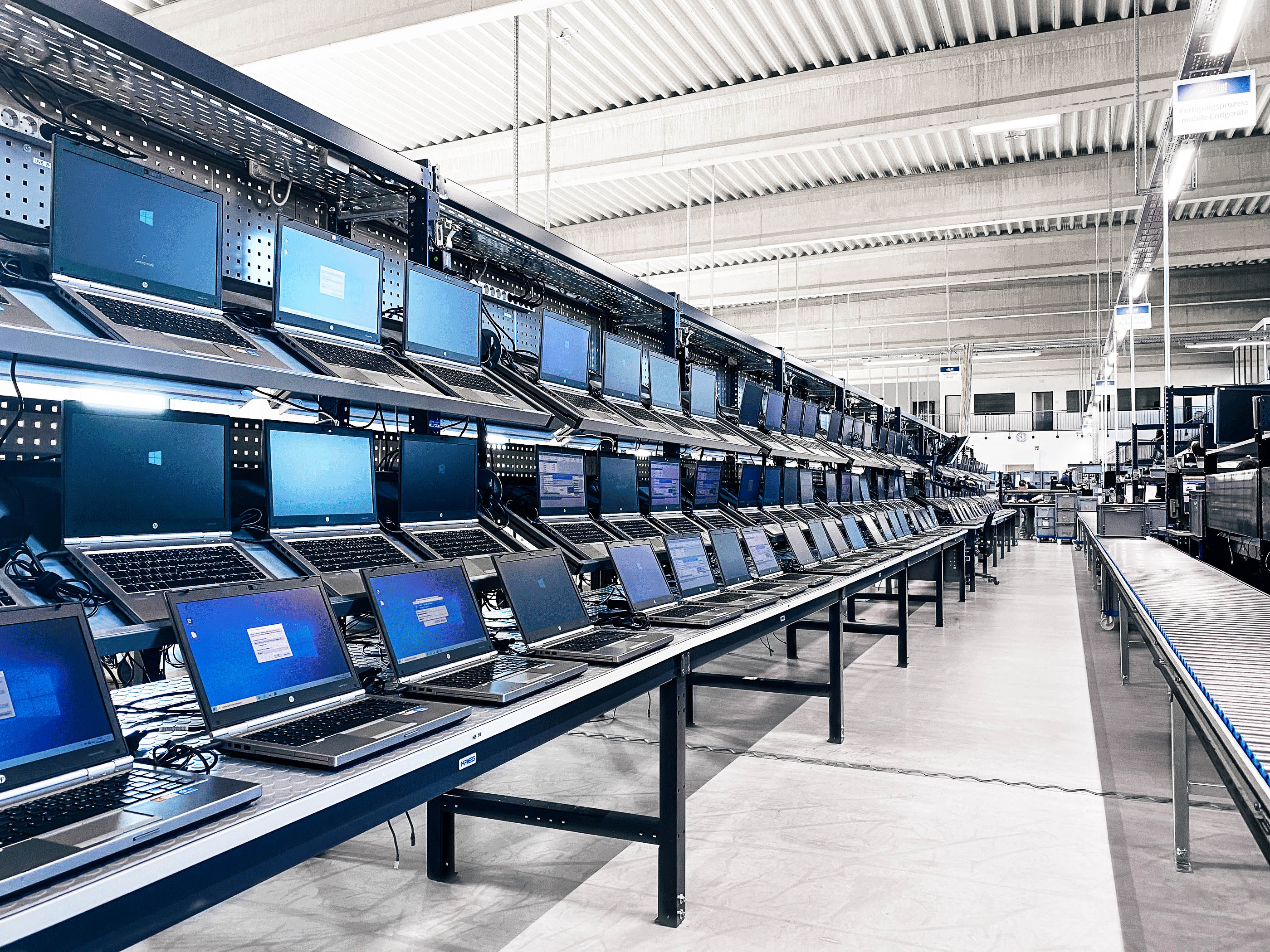
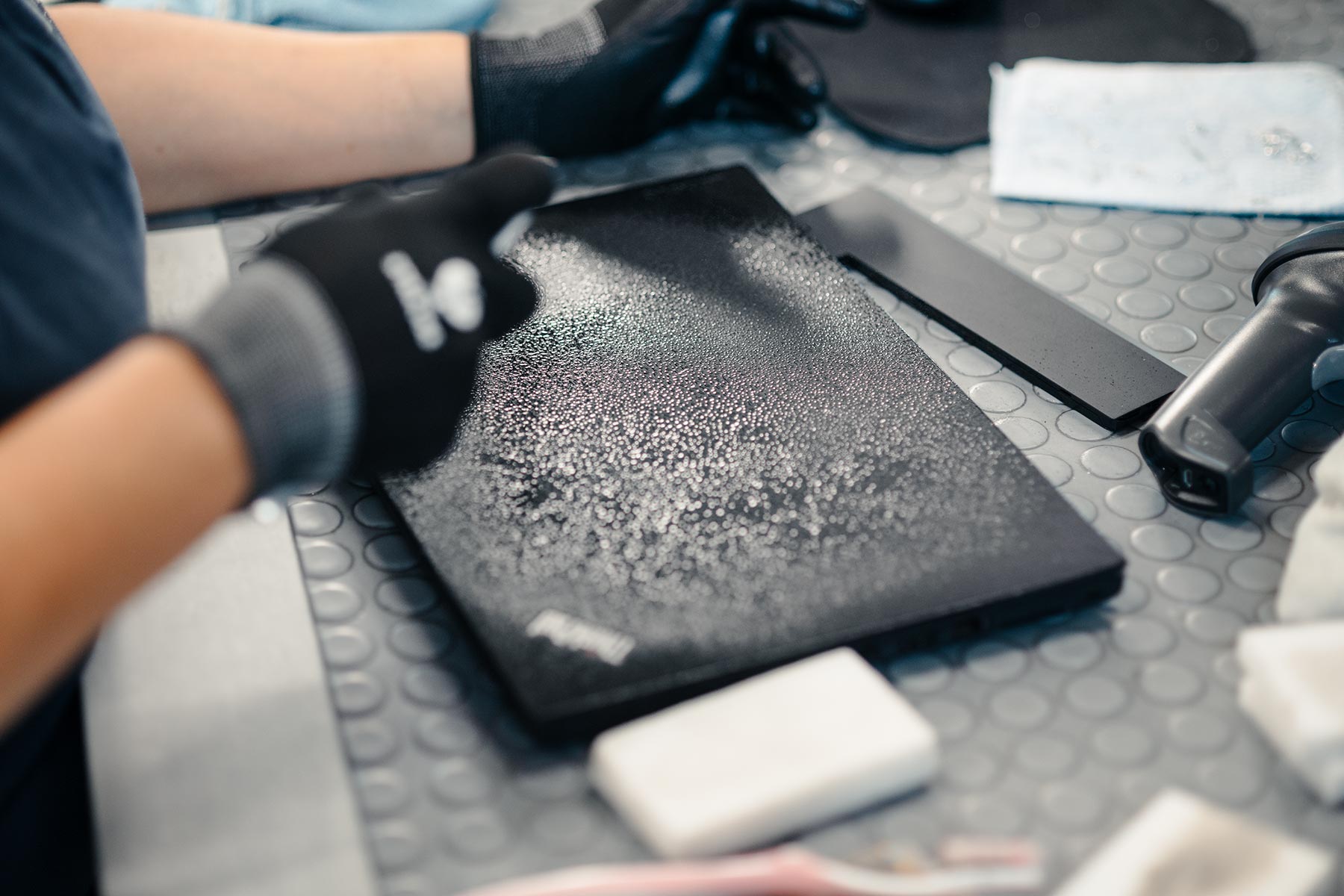
Wir kaufen gebrauchte Business-IT, werten sie zu Premium-Refurbished-IT auf und geben sie zu attraktiven Konditionen in den zweiten Lebenszyklus. Das spart Geld und wertvolle Ressourcen.

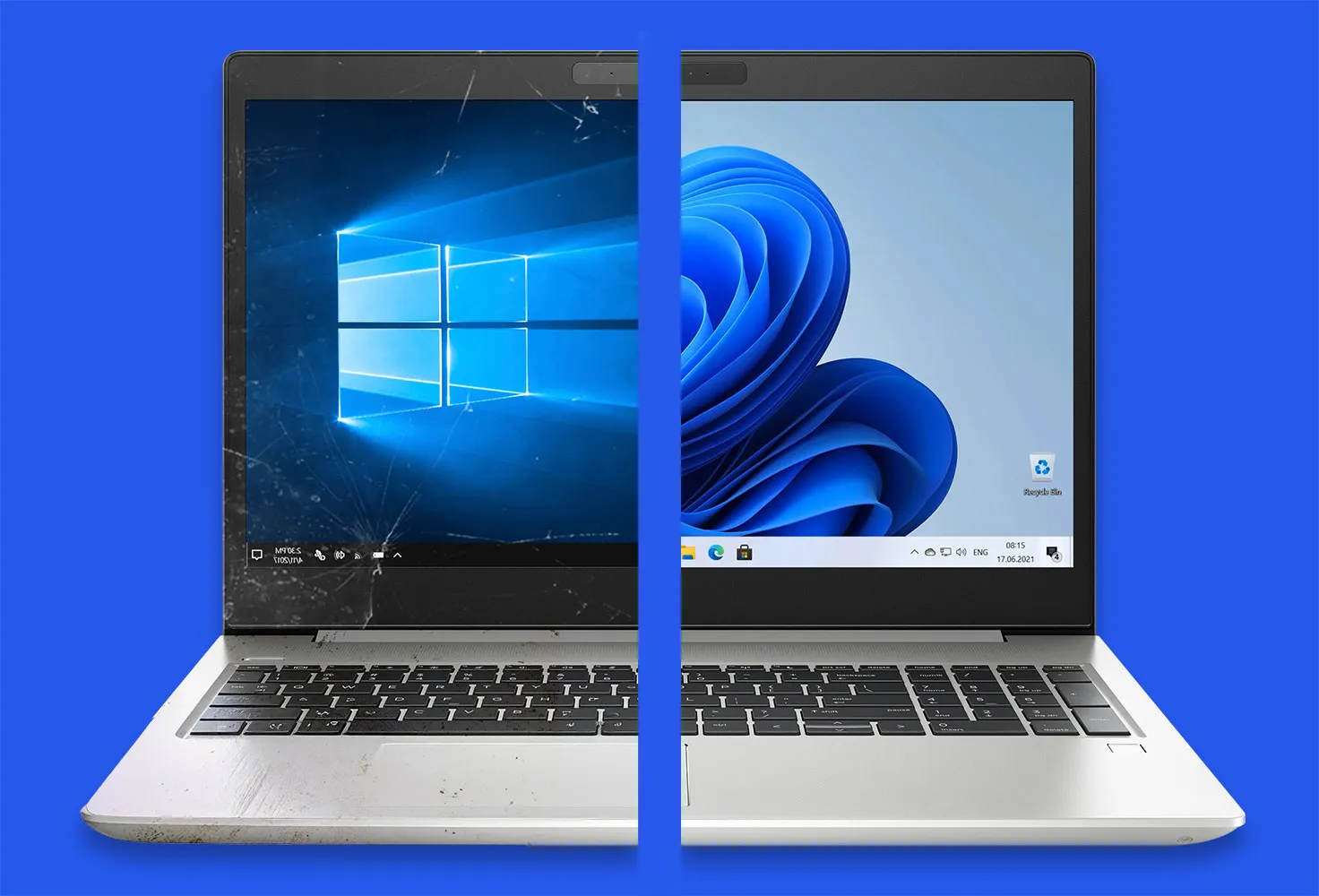
Bye bye, Windows 10!
Hallo,
Windows 11!
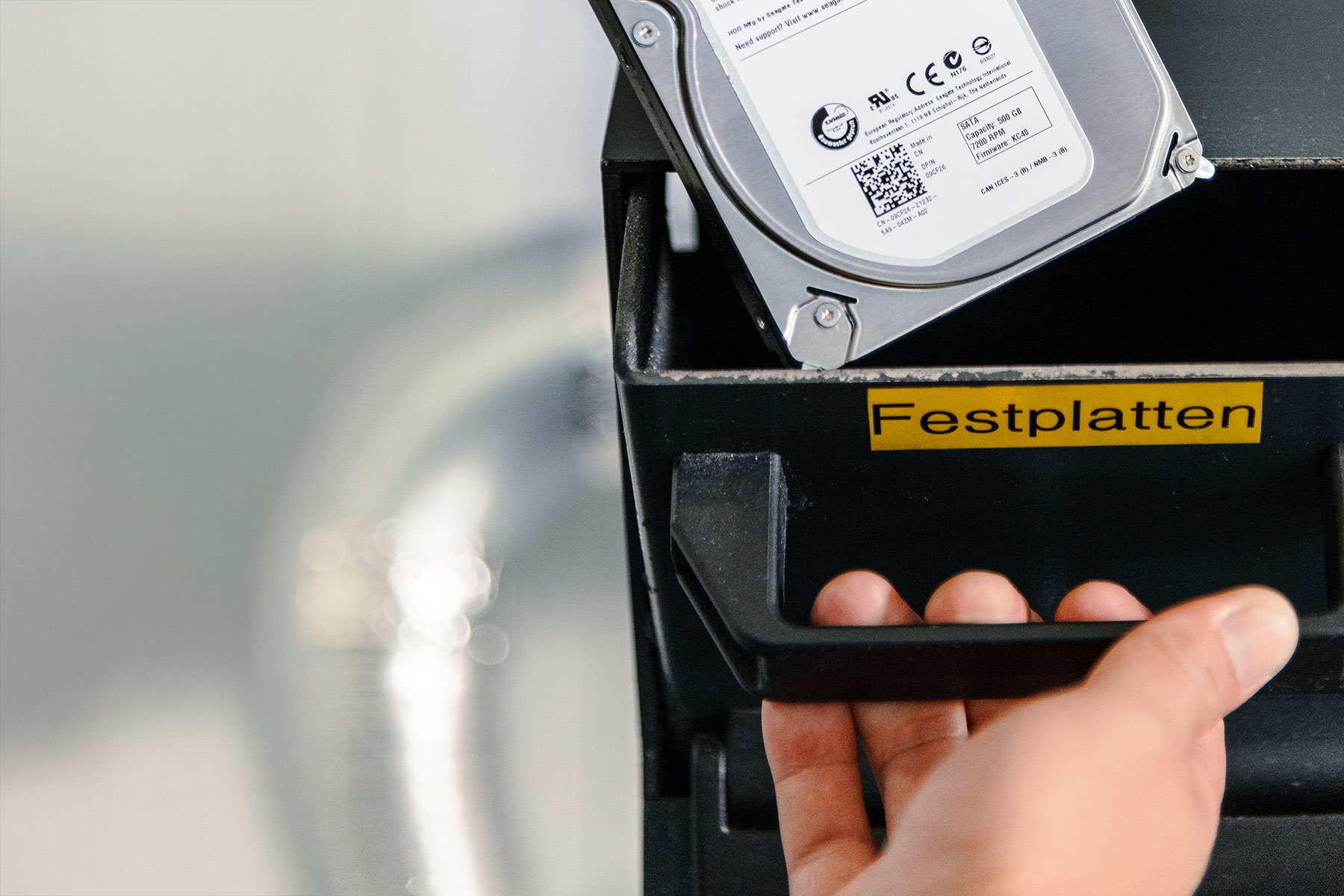
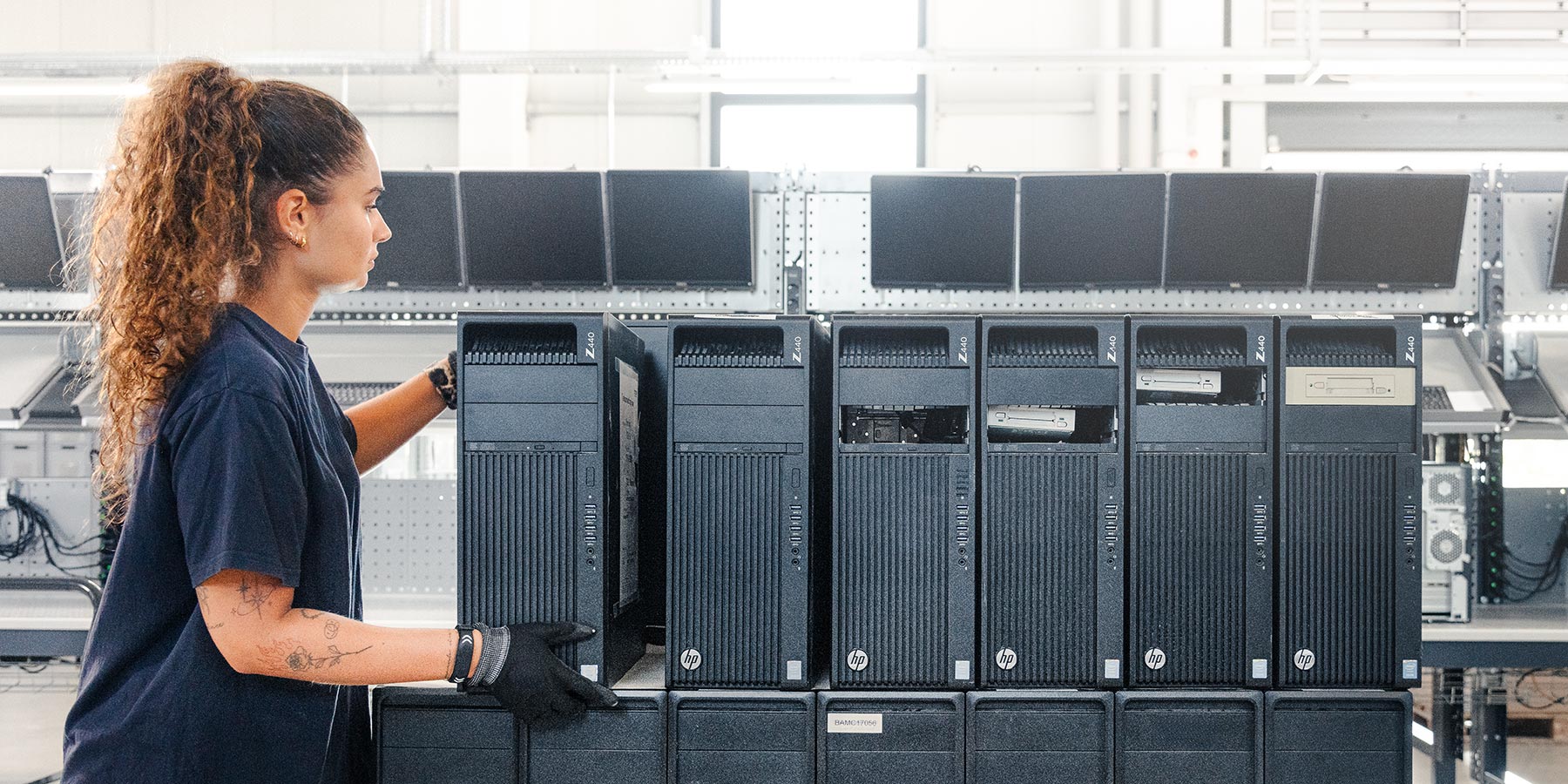
Unser ganzheitliches Löschungs-Konzept umfasst Abholung, Auditierung, Datenvernichtung, Aufbereitung und Vermarktung – effizient und sicher.
Dank modernster Technik und eigener Software in unserem Technologiecenter vermarkten wir gebrauchte IT datensicher und transparent wieder oder führen sie verantwortungsvoll dem Wertstoffkreislauf zu.
Seit mehr als 25 Jahren unterstützen wir Unternehmen dabei, ihre gebrauchte IT sicher und effizient wiederzuverwerten oder fachgerecht zu entsorgen. Dabei legen wir besonderes Augenmerk auf Datensicherheit, Sorgfalt und verantwortungsbewusstes Handeln.

Wir verstehen uns als konstruktive Aktivisten, die sich gegen die Verschwendung von natürlichen Ressourcen im IT-Bereich und für den verantwortungsvollen Umgang mit Daten einsetzen.
So fördern wir die Kreislaufwirtschaft und bieten langlebige, qualitativ hochwertige IT-Lösungen.




Perhaps the most distinct cultural marker of Malayalam cinema is its relationship with politics. Kerala is a state that breathes politics, where coffee shops and reading rooms serve as parlors for debate. Consequently, mainstream Malayalam films have never shied away from political themes.
The most defining characteristic of Malayalam cinema is its profound realism, a trait born directly from the culture of Kerala itself. Kerala is a land of intense political activity, high literacy, and a history of social reform movements (led by figures like Sree Narayana Guru and Ayyankali). This intellectual ferment naturally led to a cinema that prioritizes content over gloss. From the early works of Adoor Gopalakrishnan ( Swayamvaram ) and G. Aravindan ( Thamp ) to the modern wave of filmmakers like Lijo Jose Pellissery ( Jallikattu ) and Dileesh Pothan ( Maheshinte Prathikaaram ), the industry has consistently celebrated the ordinary. mallu aunty first night hot masala scene but sex fail target
Malayalam cinema has played a vital role in shaping Kerala's cultural identity and social consciousness. The industry has: Perhaps the most distinct cultural marker of Malayalam
Malayalam cinema is not merely a product of Kerala’s culture; it is a participant in its ongoing evolution. It has grown from mythological retellings to nuanced psychological dramas, from stage-bound melodramas to globally acclaimed festival pieces. In an age of globalization, where regional identities are often diluted, Malayalam cinema stands resilient. It continues to offer a specific, authentic, and unglamorous look at a complex society—one that laughs at its own pretensions, fights for its ideals, and finds profound meaning in the ordinary. For the Malayali, life imitates art, and art is simply a long, loving, and critical conversation about home. The most defining characteristic of Malayalam cinema is
: Produced India’s first 3D film ( My Dear Kuttichathan , 1984), first 70mm film ( Padayottam , 1982), and first digitally shot and distributed film ( Moonnamathoral , 2006).
Ammu in The Great Indian Kitchen (2021) didn’t fight a villain; she fought the patriarchy embedded in a tharavadu (ancestral home) kitchen. The film’s climax—where she leaves the family idol smeared with menstrual blood—became a cultural touchstone, sparking real-world debates about purity, hygiene, and women’s labor. Similarly, Aarkkariyam (2021) uses the quiet, claustrophobic setting of a pandemic lockdown to discuss euthanasia and marital silence. This is culture at its most raw: cinema starting conversations that society is afraid to have.
Erfahre, wie nachhaltige IT-Beschaffung funktioniert und warum Refurbished IT der stärkste Hebel für Kosten- und CO₂-Einsparung ist.
Wissen

Erfahre, wie nachhaltige IT-Beschaffung funktioniert und warum Refurbished IT der stärkste Hebel für Kosten- und CO₂-Einsparung ist.
Wissen
Wissen
So funktioniert der IT-Ankauf für Unternehmen
Wissen
So funktioniert der IT-Ankauf für Unternehmen
Wissen


Partnerschaft